
Burst Pipe Water Damage Cleanup in Oklahoma City
A pipe burst and water ran into the hallway, bedrooms, flooring or ceiling below? For Oklahoma City homeowners, once the water is shut off and the plumbing repair is underway, we remove accessible water, check the nearby areas and start drying the materials that were affected.
Common Burst Pipe and Broken Pipe Emergencies
Burst Pipe Water Damage is most effective when the work is based on where moisture actually traveled—not only what looks wet at the surface.
Frozen or split supply pipe
We check how far the water traveled and what got wet before deciding what needs extraction, drying or removal.
Failed plumbing connection
We check how far the water traveled and what got wet before deciding what needs extraction, drying or removal.
Pipe break above a ceiling
We check how far the water traveled and what got wet before deciding what needs extraction, drying or removal.
Pressurized line break inside a wall
We check how far the water traveled and what got wet before deciding what needs extraction, drying or removal.
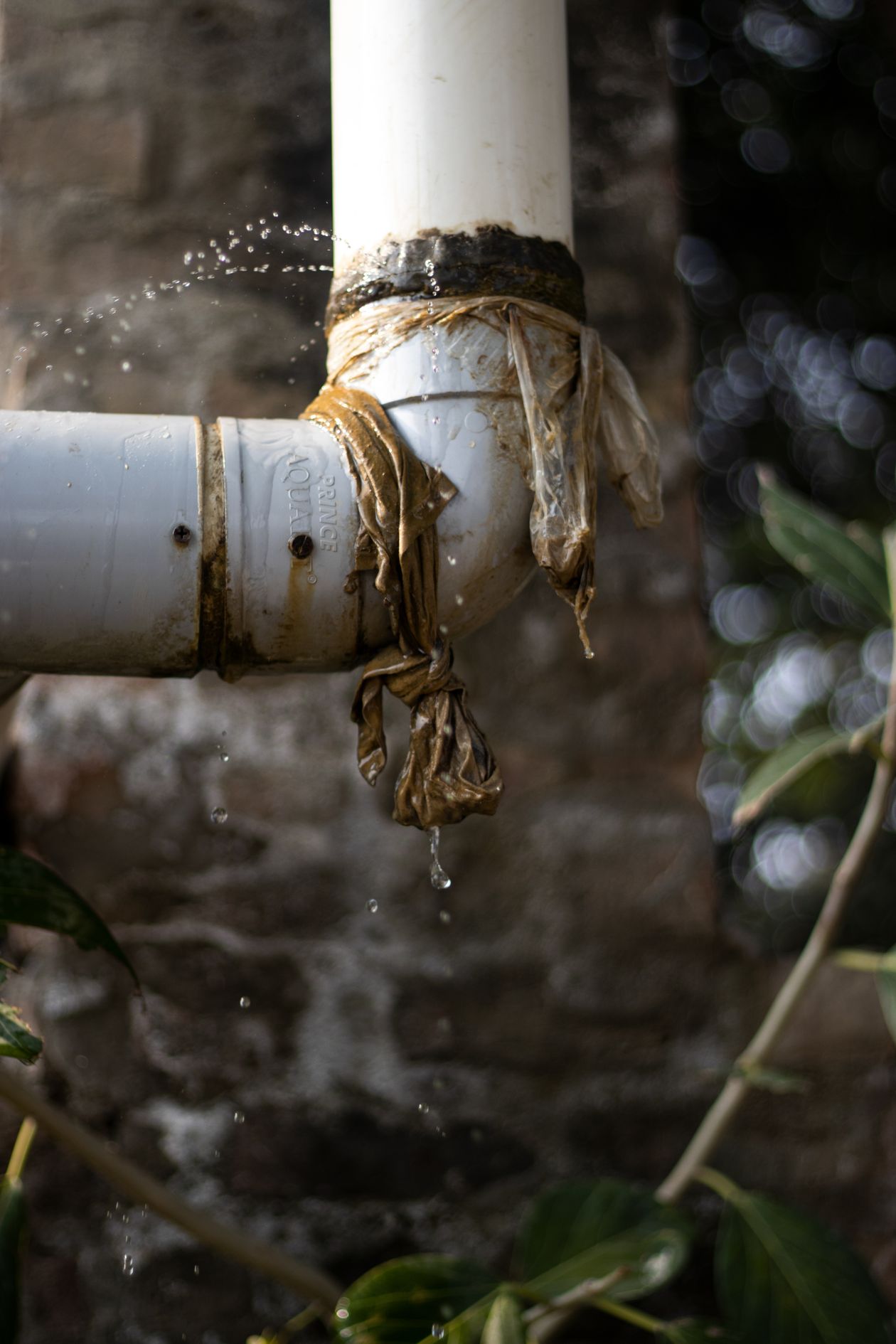
Fast Water Removal After a Burst or Broken Pipe
A sudden pipe break can spread water through multiple rooms quickly. We focus on extraction, moisture inspection and structural drying.
How We Remove Water and Dry Your Home After a Burst Pipe
Every job is different, but the core logic stays consistent: control the source, define the affected area, remove accessible water or unsalvageable material when needed, then dry and monitor what remains.
Inspect
We identify affected rooms and materials with visual inspection and moisture readings.
Remove standing water
We extract water and create access or remove materials that got wet when the condition requires it.
Dry
Air movement, dehumidification, and targeted drying methods are selected for the materials in the home involved.
Monitor
Repeat readings help show whether the structure is moving toward an appropriate dry condition.
How Far Can Water Spread After a Pipe Break?
Water follows gravity, seams, cavities, and the path of least resistance. That is why a restoration plan should not stop at the first visible stain or puddle. Flooring, trim, drywall, insulation, cabinetry, and framing can all be affected differently.
Our goal is to use the least destructive approach that still addresses the moisture problem. That can mean extraction and drying in place in one area, while another area may need opening only the areas that need access or material removal.
Insurance documentation after a burst pipe
When a loss involves an insurance claim, clear documentation matters. We can document moisture readings, materials that got wet, equipment placement, monitoring, and water cleanup and drying work so there is a record of what occurred.
This does not guarantee coverage or payment; coverage decisions belong to the insurer and policy.
Burst Pipe Cleanup May Require Water Extraction and Structural Drying
Burst Pipe Water Damage Service Areas Around Oklahoma City
We serve homeowners in Oklahoma City and selected surrounding communities. The same moisture-based approach is used wherever the loss occurs, while the actual scope depends on the home and materials affected.
Burst Pipe and Broken Pipe Cleanup: Quick Answers
These answers cover burst pipes, frozen pipes, broken supply lines and the water-removal steps that follow a sudden plumbing failure.
What should you do after a pipe bursts?
If it is safe, shut off the water supply and avoid electrical hazards. After the broken pipe is controlled, remove standing water and check walls, flooring, ceilings and nearby rooms for moisture.
Is burst-pipe cleanup different from a small leak?
A burst or broken pipe can release water quickly, so extraction and checking where the water traveled often need to cover a larger area than a slow fixture leak.
Can a frozen pipe cause hidden water damage?
Yes. A frozen pipe may split inside a wall, attic or other concealed area. Water can travel through insulation, drywall and framing before it becomes visible.
What if a main water line breaks inside the house?
An interior main or supply-line break can require prompt water removal, extraction and structural drying after the source is shut off and the plumbing repair is underway.
Does a burst pipe require emergency water removal?
A large active release or standing water should be addressed promptly once it is safe to enter. “Emergency” describes the urgency of the water loss; response availability still depends on current business hours and crew availability.
Burst-Pipe Water Damage FAQs
What should I do first after a pipe bursts?
If it is safe, shut off the water supply and stay away from electrical or structural hazards. Then arrange the plumbing repair and water removal as soon as practical.
Does a burst pipe usually need professional water extraction?
Often, yes. A burst line can release enough water to saturate flooring, carpet, drywall and next rooms quickly. Extraction removes accessible water before the remaining materials are dried.
How far can water travel from a burst pipe?
Farther than the visible puddle. Water can move beneath flooring, through wall cavities, under baseboards and into rooms next to or below the original break.
Does drywall always have to be removed after a burst pipe?
No. Removal depends on how wet the drywall is, the condition of the material, insulation behind it, contamination and whether the wall cavity can be dried effectively.
Who repairs the broken pipe?
A licensed plumber handles the failed plumbing. Our role is the water-damage side: extraction, moisture checks, cleanup, drying and documentation of the materials that got wet.
How long can a burst-pipe dry-out take?
Several days is common, but the actual duration depends on the materials, how much water was released and how the moisture readings change after equipment is installed.
Can you document a burst-pipe loss for insurance?
Yes. We can document the water-damage areas, moisture readings, photos, equipment and water cleanup and drying work. Policy coverage and claim payment remain decisions for the insurer.
Burst Pipe Water Damage Across the Oklahoma City Metro
Choose your community for local service information, common homeowner situations and what to expect when we inspect the affected area.