
Structural Drying Services in Oklahoma City, OK
The water is gone, but the drywall, flooring, cabinets or framing are still wet? For Oklahoma City homeowners, that is where structural drying matters. We use dehumidifiers, air movement, targeted drying and repeat moisture readings to dry the materials that can stay in place.
What Materials May Need Structural Drying?
Structural Drying is most effective when the work is based on where moisture actually traveled—not only what looks wet at the surface.
Water trapped behind baseboards
We check how far the water traveled and what got wet before deciding what needs extraction, drying or removal.
Wet subfloor after extraction
We check how far the water traveled and what got wet before deciding what needs extraction, drying or removal.
Ceiling or wall cavities affected by a leak
We check how far the water traveled and what got wet before deciding what needs extraction, drying or removal.
Materials that may be dried in place instead of removed
We check how far the water traveled and what got wet before deciding what needs extraction, drying or removal.
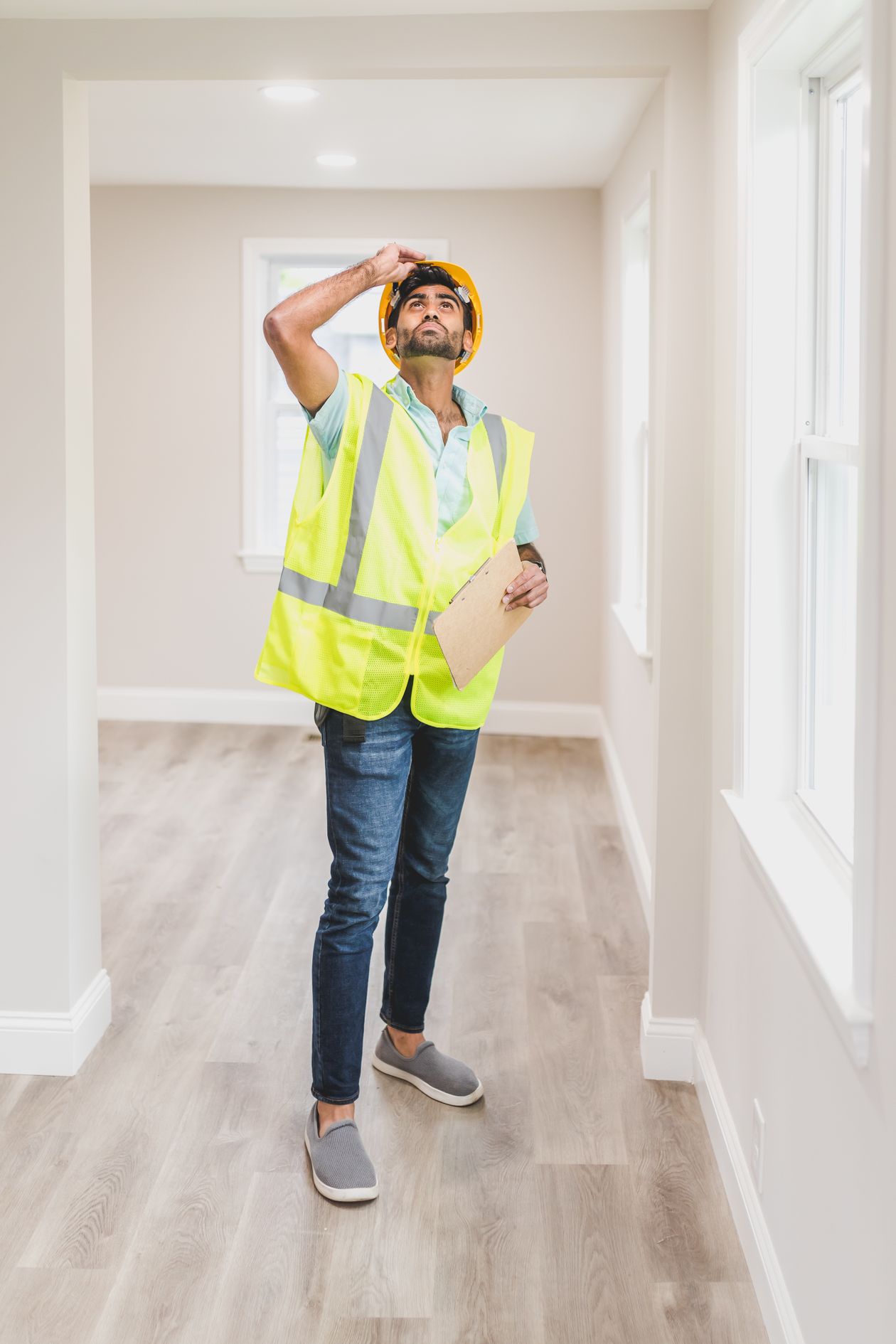
Professional Drying Based on Actual Moisture Conditions
We use moisture readings, airflow and dehumidification to dry the materials that can remain in place.
How We Dry Wet Walls, Floors and Other Building Materials
Every job is different, but the core logic stays consistent: control the source, define the affected area, remove accessible water or unsalvageable material when needed, then dry and monitor what remains.
Inspect
We identify affected rooms and materials with visual inspection and moisture readings.
Create drying access
We extract water and create access or remove materials that got wet when the condition requires it.
Dry
Air movement, dehumidification, and targeted drying methods are selected for the materials in the home involved.
Monitor
Repeat readings help show whether the structure is moving toward an appropriate dry condition.
Hidden Moisture Can Remain After Water Extraction
Water follows gravity, seams, cavities, and the path of least resistance. That is why a restoration plan should not stop at the first visible stain or puddle. Flooring, trim, drywall, insulation, cabinetry, and framing can all be affected differently.
Our goal is to use the least destructive approach that still addresses the moisture problem. That can mean extraction and drying in place in one area, while another area may need opening only the areas that need access or material removal.
Insurance documentation during structural drying
When a loss involves an insurance claim, clear documentation matters. We can document moisture readings, materials that got wet, equipment placement, monitoring, and water cleanup and drying work so there is a record of what occurred.
This does not guarantee coverage or payment; coverage decisions belong to the insurer and policy.
Why Structural Drying Often Comes After Water Extraction
Structural Drying Service Areas Around Oklahoma City
We serve homeowners in Oklahoma City and selected surrounding communities. The same moisture-based approach is used wherever the loss occurs, while the actual scope depends on the home and materials affected.
Structural Drying and Home Dry-Out: Quick Answers
These answers address common searches about professional drying, dehumidification, wet drywall, wet walls, subfloors and hidden moisture after water damage.
What is professional structural drying?
Structural drying removes moisture that remains inside building materials after accessible water has been extracted. It uses controlled airflow, dehumidification, temperature and moisture monitoring to dry walls, subfloors, framing and other materials.
How do you dry a house after water damage?
A professional dry-out starts by identifying what is actually wet. Water is extracted first, then airflow and dehumidification are directed at materials that got wet while moisture readings are monitored over time.
Can wet drywall be saved?
Sometimes. Whether wet drywall can be dried depends on the water source, how long it stayed wet, the condition of the gypsum and paper, insulation or cavity conditions and whether the assembly can be accessed and dried.
How do you dry wet walls or a wet subfloor?
Drying wet walls and subfloors may require exposing wet edges or cavities, moving dry air across the material and lowering indoor humidity. The method depends on material type and how deeply moisture traveled.
Why are dehumidifiers used after water damage?
Dehumidifiers remove water vapor from the air so evaporation can continue. Air movers help moisture leave wet surfaces, while dehumidification controls the moisture released into the room.
How long does structural drying take?
There is no fixed number of days. Drying time depends on the materials, amount of water, access, temperature, humidity and whether moisture readings are moving toward a dry goal.
Structural Drying FAQs
How long does structural drying usually take?
Many residential drying projects take several days, but there is no fixed number that applies to every loss. Material type, how wet the materials are, access, temperature, humidity and how the readings change all affect the drying time.
Why use a dehumidifier if the surface already feels dry?
A surface can feel dry while moisture remains deeper in drywall, wood, subflooring or other materials. Dehumidification helps remove moisture that is evaporating from those materials into the air.
Can wet walls or floors sometimes be dried without removing them?
Yes, depending on the material, contamination, condition and whether air can reach the wet area. We prefer to dry materials in place when it is practical and safe rather than automatically removing everything that got wet.
How do you know when a structure is actually dry?
We use moisture readings and compare the materials that got wet with appropriate dry conditions or unmaterials that got wet. We remove the drying equipment when the moisture readings show the materials are ready—not just because a certain number of days has passed.
What equipment is used for structural drying?
A typical setup may include dehumidifiers and air movers. Some losses also benefit from targeted wall-cavity or floor-drying methods, depending on where the moisture is located.
Can structural drying begin after a plumber repairs the leak?
Yes. The plumber stops or repairs the source; the restoration work addresses the water that already entered the home. Once the active leak has been stopped, the wet materials can be evaluated and the drying plan can begin.
Does structural drying always require demolition?
No. Some materials can be dried in place. Removal is considered when a material cannot be effectively dried, has lost integrity, creates an access problem or must be removed because of the condition of the loss.
Structural Drying Across the Oklahoma City Metro
Choose your community for local service information, common homeowner situations and what to expect when we inspect the affected area.